


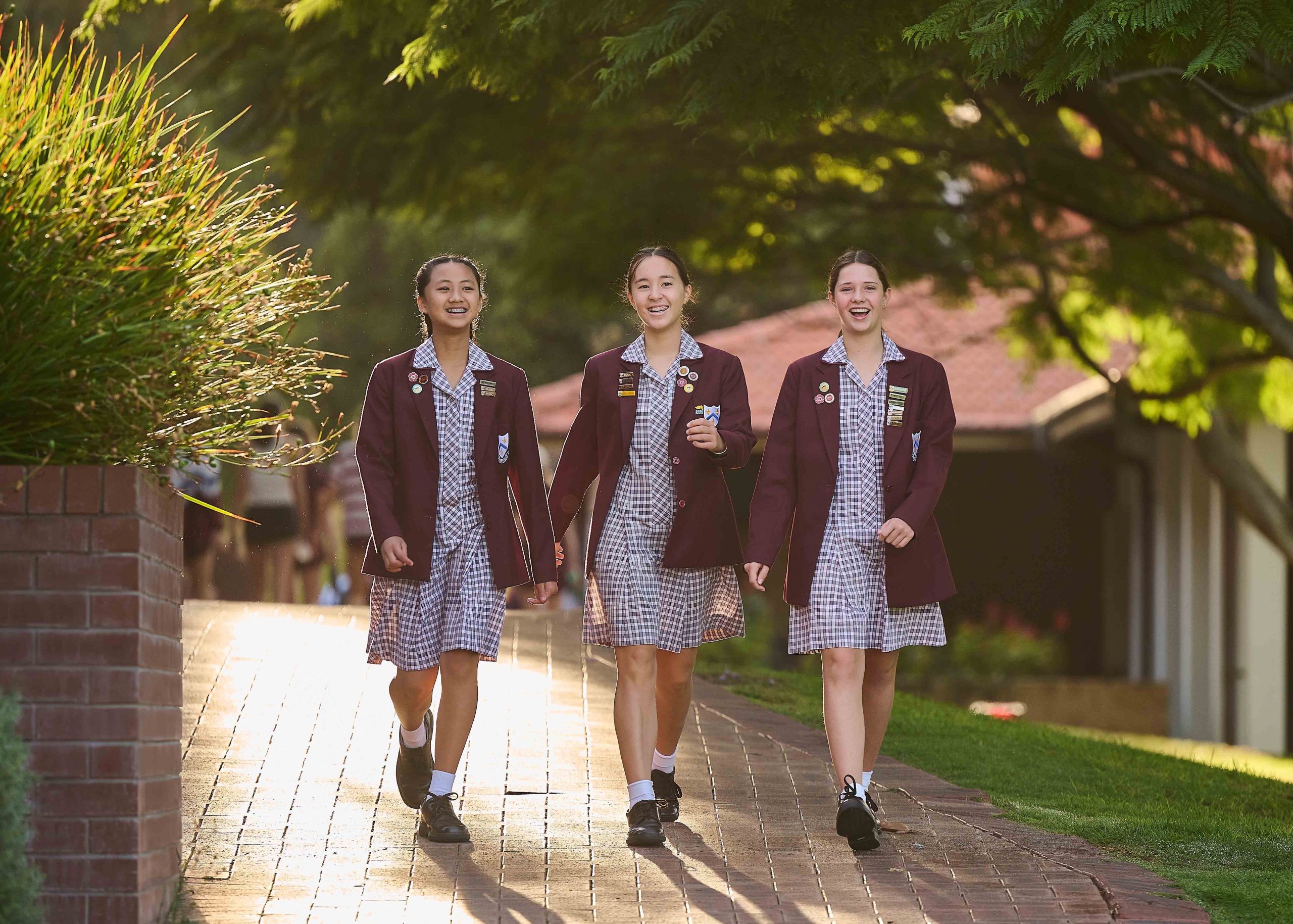


Senior School
Our Senior School programs prepare students for life after school. We help our students identify their interests and pursue their individual talents. In short, we want our girls to love learning, be excited by discoveries and engrossed in the
exploration of ideas.
Variety and diversity underpin our learning program, which is designed to be challenging, engaging and enriching.
In Year 10, we offer intensive career education and subject counselling that prepare our students for Years 11 and 12.
We value equally our ATAR and Elevate (VET) pathways, and want each student to make choices that will provide a strong start to their careers.
Year 7
Year 7 is about trying new things, learning new skills and finding your voice. Our Year 7 girls are given more independence as they begin their Senior School journey while retaining the pastoral care that a central classroom provides.

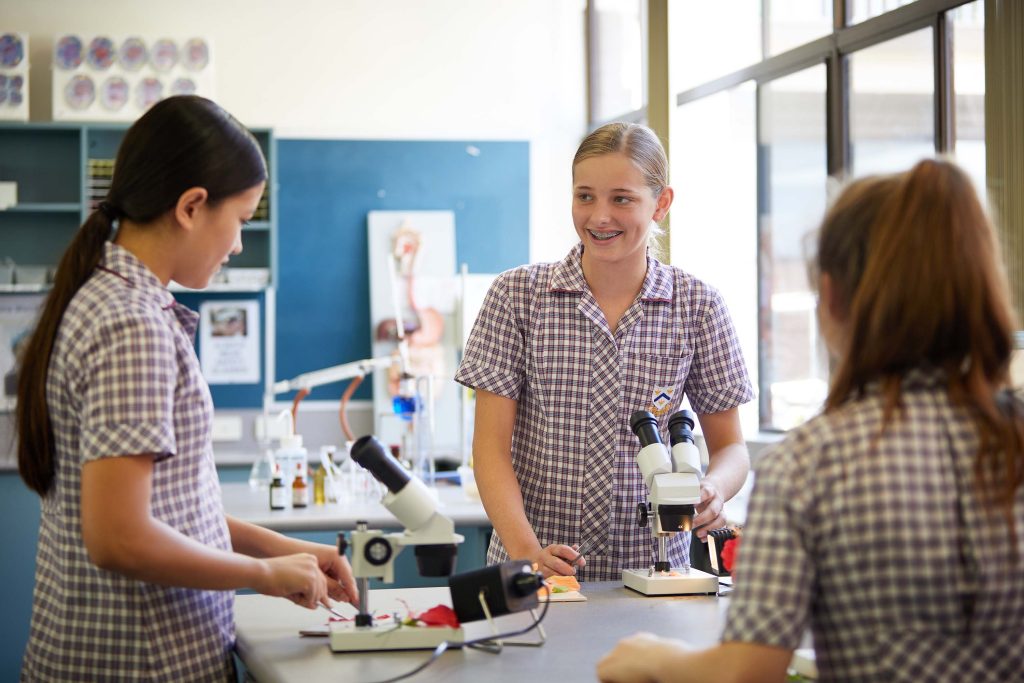
Years 8 to 10
Throughout these important years, students broaden their academic studies and are afforded opportunities to explore what they enjoy, understand their strengths and develop their interpersonal skills.
Years 11 and 12
The final two years at school focus on personal goal setting and motivation as students begin the transition to life after school.
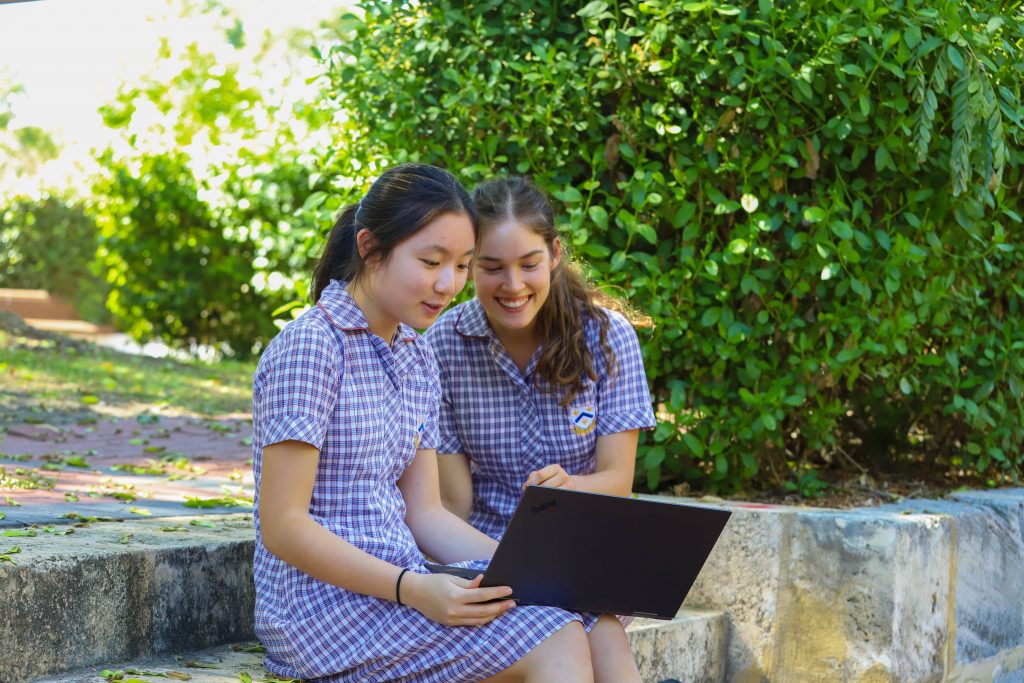
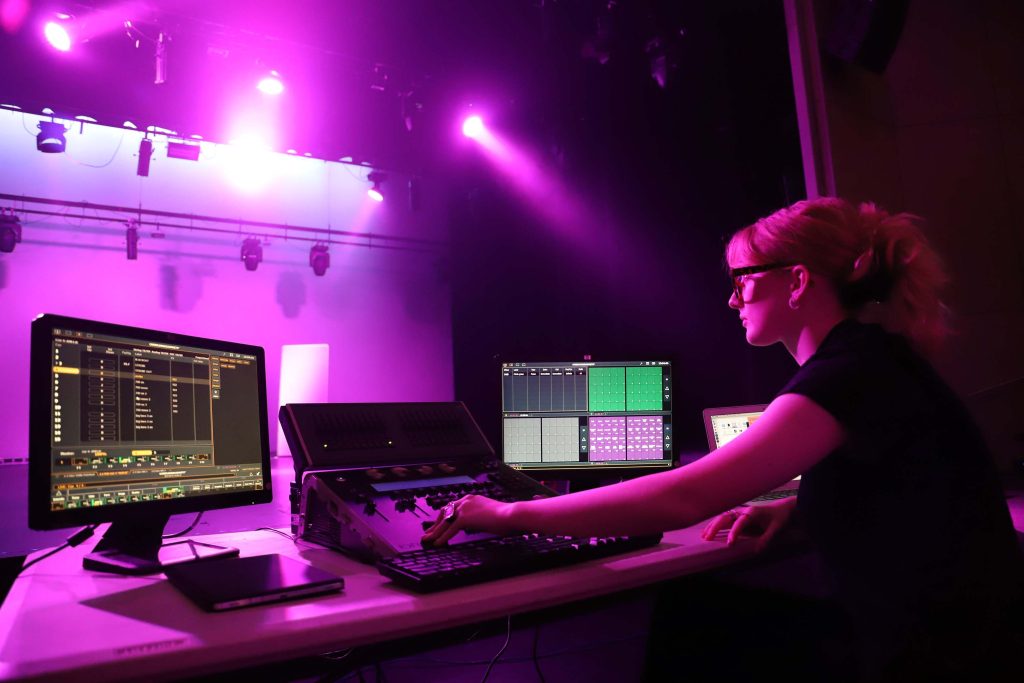
Elevate pathway
Our Elevate students acquire a wealth of real-world experiences and the skills required to kick-start a career in a profession that they are passionate about.
Enrichment and support
Our gifted and talented program extends and challenges students from Year 9. We also offer literacy and numeracy support to consolidate and build skills from Year 7.
Flagship programs
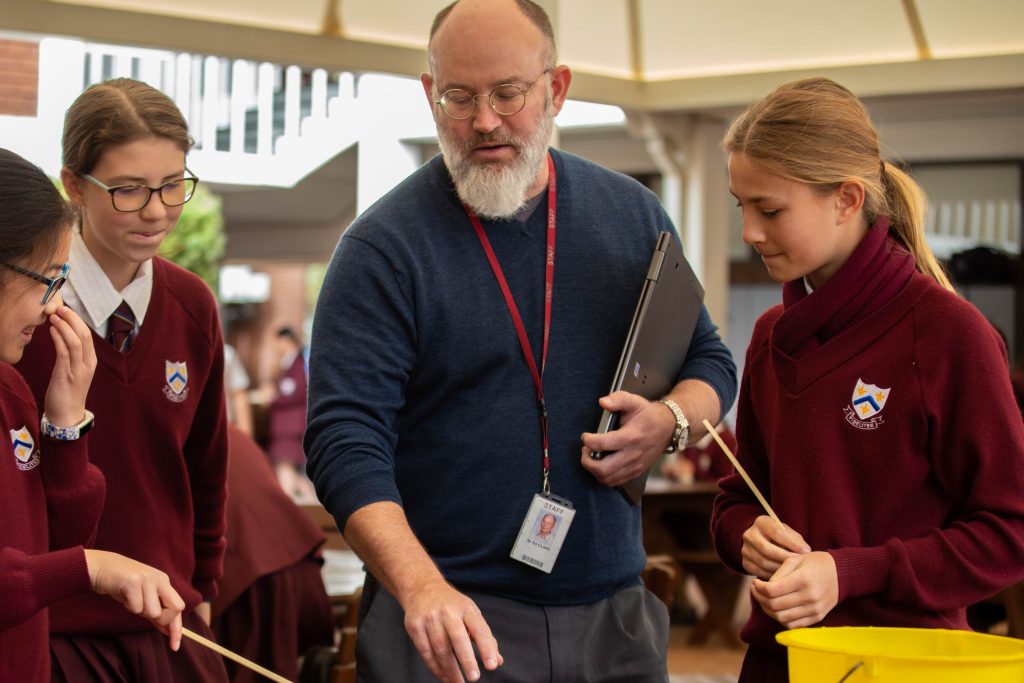
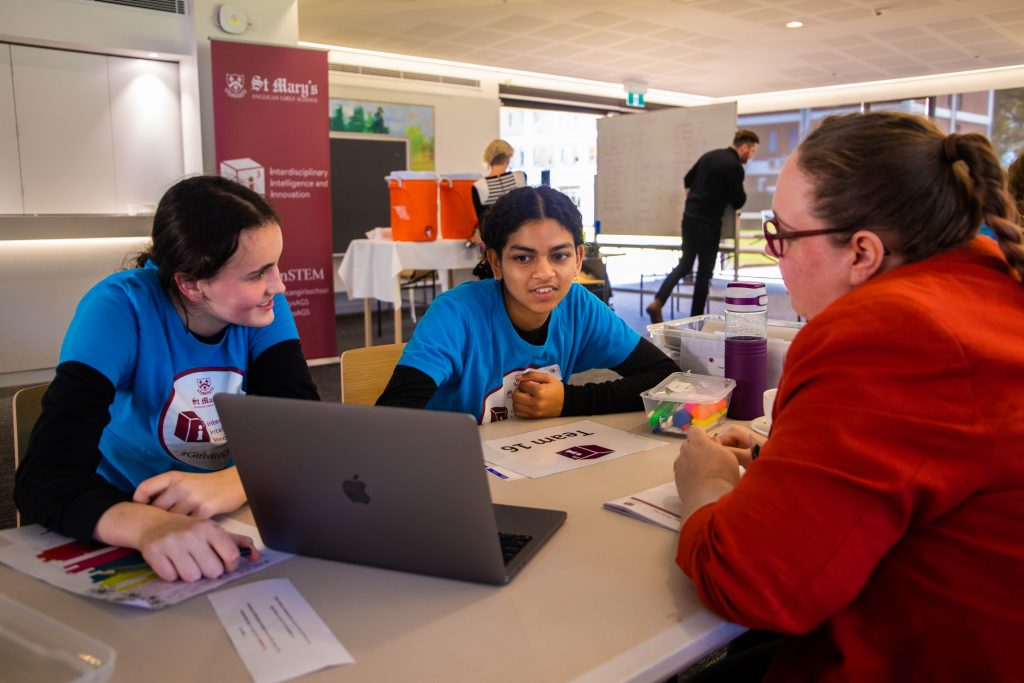
Our flagship programs provide students opportunities to learn from specialist teachers and work alongside scientific and industry experts, both in and beyond the classroom.
Cocurricular opportunities
We believe that co-curricular activities are an important part of school life which complement our academic curriculum. They also provide enormous personal and social benefits for our students.